Restaurants today face constant pressure to deliver better customer experiences while maintaining operational efficiency. Menus need frequent updates, promotions change throughout the day, and customer expectations continue to rise. Traditional printed menus and static menu boards often make it difficult to respond quickly to these changing demands.
This is why many restaurants, cafés, quick-service restaurants (QSRs), and food service businesses are investing in digital menu boards. By replacing printed materials with dynamic digital displays, restaurants can update content instantly, improve menu visibility, and create a more modern dining experience.
Digital menu boards are no longer just a visual upgrade. They have become an important operational tool that helps restaurants streamline communication, promote high-margin items, and adapt quickly to changing business needs.
Understanding the Opportunity
What Are Digital Menu Boards?
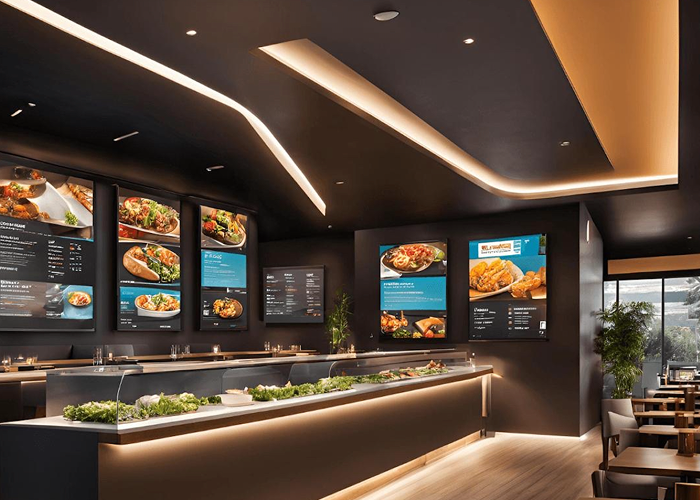
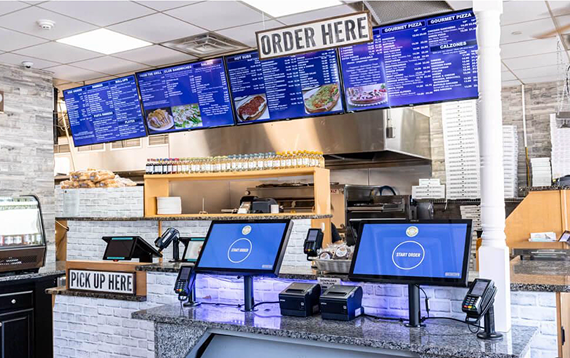
Digital menu boards are electronic displays used to present menu items, pricing, promotions, and restaurant information. Unlike traditional printed boards, digital menu displays can be updated remotely through menu board software, allowing restaurants to make changes in real time and respond quickly to changing menus, promotions, and customer demand.
Restaurants commonly use digital menu boards for much more than simply displaying menu items. They provide a flexible communication platform that helps restaurants keep information accurate, promote offers, and enhance the overall customer experience throughout the day. Common use cases include:
- Display menus and pricing
- Promote limited-time offers
- Highlight seasonal items
- Support breakfast, lunch, and dinner menus
- Communicate special announcements
- Improve customer engagement
For businesses operating multiple locations, digital menu boards provide a consistent and scalable way to manage menu content across the entire organization
Why Restaurants Are Moving Away from Printed Menus
Traditional menu boards create operational challenges. Updating prices or introducing new items often requires printing and installing new materials, which can be time-consuming and costly.
Digital menu boards eliminate these limitations. Restaurant managers can update menus across one location or hundreds of locations from a centralized platform. This flexibility allows businesses to react faster to inventory changes, market conditions, and customer demand.
For example, if a popular item sells out during the lunch rush, it can be removed immediately from all relevant displays. Similarly, restaurants can promote different products throughout the day without requiring any manual intervention.
Improving the Customer Experience
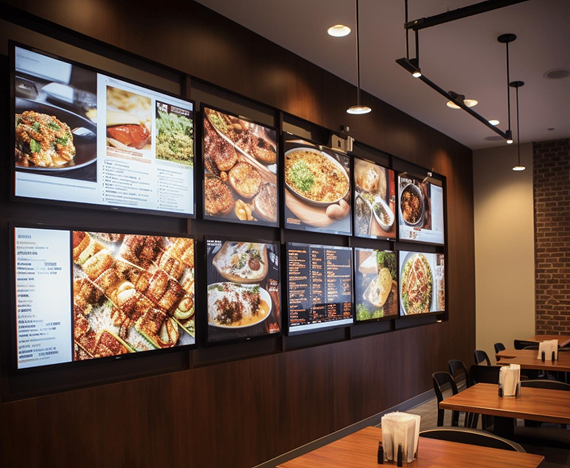
Customers expect clear, accurate, and visually appealing information when placing an order. Digital menu displays help restaurants present menu items in a more engaging format by combining images, videos, animations, and dynamic content.
Research consistently shows that visual content influences purchasing decisions. High-quality images and well-designed digital displays can encourage customers to explore additional menu options and increase average order value.
For quick-service restaurants, where speed and clarity are critical, digital menu boards can also reduce confusion and help customers make decisions faster.
Implementation Tips and Best Practices
Successfully implementing digital menu boards requires more than simply replacing printed signs with screens. Restaurants should develop a content strategy that supports both operational goals and customer needs.
Clear organization is essential. Menu categories should be easy to navigate, pricing should be highly visible, and promotions should complement rather than distract from core menu items.
Many restaurants benefit from using daypart menu strategies. Different content can be automatically displayed during breakfast, lunch, dinner, or late-night service. This ensures customers always see the most relevant offerings without requiring staff intervention.
Content should also be updated regularly. Seasonal promotions, limited-time offers, and featured products keep displays fresh and encourage repeat visits.
Centralized screen management becomes particularly valuable for restaurant chains and franchise operations. A single platform allows corporate teams to maintain brand consistency while giving local managers flexibility when needed.
Restaurants should also consider how digital menu boards integrate with broader digital signage initiatives. Many organizations use the same platform to manage menu displays, promotional screens, waiting area content, and customer communication displays across multiple locations.
Best Practices for Restaurant Menu Boards
The most effective digital menu boards share several characteristics:
- Clear and easy-to-read layouts
- High-quality food photography
- Consistent branding
- Strategic promotion placement
- Regular content updates
- Mobile-friendly content planning
- Centralized management and scheduling
When designed properly, digital menu boards become an extension of the restaurant’s overall customer experience strategy.
Measuring Success and Optimizing Results
Like any business investment, digital menu boards should be evaluated against measurable outcomes.
One of the most common benefits is operational efficiency. Restaurants often reduce the time and cost associated with printing, distributing, and updating menu materials. Changes that once required days or weeks can now be completed in minutes.
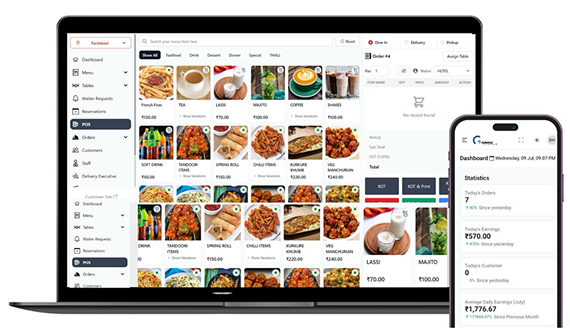
Sales performance is another important metric. Restaurants frequently use digital menu boards to promote specific items, bundles, or limited-time offers. By tracking product sales before and after campaigns, businesses can identify which content drives the strongest results.
Customer experience metrics can also provide valuable insights. Faster ordering times, improved customer satisfaction scores, and increased average transaction values often indicate that digital menu displays are delivering value.
Organizations operating multiple locations may also measure consistency and compliance. Centralized menu board software helps ensure that pricing, promotions, and brand messaging remain accurate across all restaurants.
As data becomes available, restaurants can continuously optimize content, promotions, and display layouts to improve performance over time.
Conclusion
Digital menu boards have evolved from simple display screens into powerful operational tools for modern restaurants. They help businesses update menus faster, reduce operational costs, improve customer engagement, and create more consistent brand experiences across locations.
Whether operating a single restaurant or managing a large chain, investing in digital menu boards can support both operational efficiency and customer satisfaction. As the restaurant industry becomes increasingly competitive, the ability to deliver accurate, engaging, and flexible menu experiences is becoming a significant advantage.
OmmaSign enables restaurants to manage digital menu boards, promotional displays, and customer-facing screens from a single platform. With centralized content management and real-time updates, restaurants can deliver consistent menu experiences across every location. Ready to see how digital menu boards can improve your restaurant operations? Get in touch with our team.