Keeping everyone informed used to be much simpler. A company-wide email, a notice on the bulletin board, or a quick team meeting was often enough to communicate important updates.
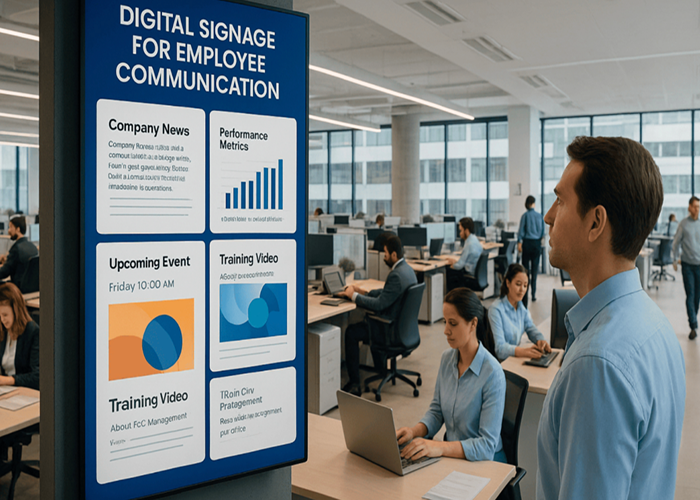
In environments where employees move between floors, buildings, or campuses, digital signage ensures that critical messages are always visible—without competing for inbox space.
As a result, internal communication has become more challenging than ever.
This is why many businesses are turning to corporate digital signage as a more effective way to share information and keep employees aligned. Digital displays placed throughout the workplace help ensure that important messages remain visible, relevant, and accessible to everyone. Instead of relying solely on emails that may go unread, organizations can use screens to communicate in a way that naturally fits into employees’ daily routines.
Understanding the Opportunity
One of the biggest challenges in modern workplaces is information overload. Employees receive a constant stream of emails, chat notifications, meeting invitations, and project updates. Even when critical information is shared, there is no guarantee that everyone will see it or remember it. Important announcements can easily get buried beneath dozens of other messages.
Corporate digital signage offers a different approach. By displaying information in common areas such as lobbies, break rooms, meeting spaces, and office corridors, businesses can reinforce key messages throughout the day. Employees are exposed to updates while moving through the workplace, making communication feel more natural and less intrusive.
Beyond simply sharing announcements, digital signage can help organizations create a stronger sense of alignment. When employees regularly see company goals, project milestones, or performance updates displayed on workplace screens, they gain a clearer understanding of how their work contributes to broader business objectives. This visibility helps connect daily activities with long-term organizational goals.
Digital signage also plays an important role in strengthening workplace culture. Screens can highlight employee achievements, celebrate work anniversaries, welcome new team members, or showcase company events. These small but meaningful moments help employees feel recognized and connected to the organization, particularly in companies where teams are distributed across multiple locations.
A centralized digital signage platform allows communication teams to distribute the same messages across offices, ensuring that employees receive accurate and up-to-date information regardless of where they work. This consistency reduces communication gaps and helps maintain a shared company experience.

Implementation Tips and Best Practices
The success of any workplace digital signage initiative depends largely on the quality of the content being displayed. Simply installing screens is not enough. Employees quickly learn to ignore displays that show repetitive, outdated, or irrelevant information.
The most effective organizations approach digital signage as part of a broader communication strategy. They carefully consider what employees need to know and how information can be presented in a way that is both useful and engaging. Content should feel timely and relevant rather than promotional or overly corporate.
Visual communication generally performs better than text-heavy messages. Employees often glance at screens while walking between meetings or taking a break, which means information needs to be easy to absorb within a few seconds. Clear headlines, concise messaging, and strong visuals help capture attention without overwhelming viewers.
Regular updates are equally important. Content that changes frequently encourages employees to keep paying attention to the screens. A display that shows today’s company news, upcoming events, performance achievements, and employee recognition feels dynamic and valuable. In contrast, content that remains unchanged for weeks can quickly lose its impact.
Managing multiple displays also becomes easier when organizations use centralized screen management tools. Communication teams can schedule content, coordinate messaging across locations, and make real-time updates whenever necessary. This capability becomes especially valuable during urgent situations when important information needs to reach employees immediately.
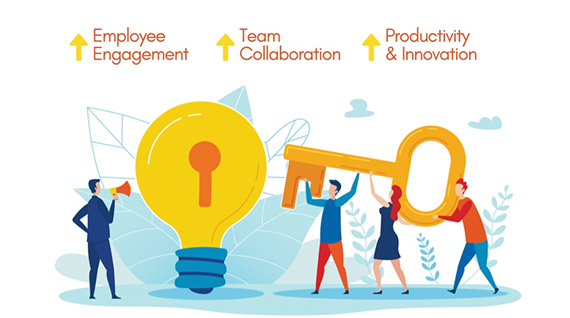
Another best practice is ensuring that digital signage supports broader business goals. Whether the objective is improving employee engagement, increasing transparency, promoting safety, or reinforcing company values, every piece of content should contribute to a larger purpose. When digital signage becomes aligned with organizational priorities, it evolves from a simple display solution into a strategic communication channel.

Measuring Success and Optimizing Results
Like any business initiative, digital signage should be evaluated regularly to ensure it is delivering meaningful results. Organizations often focus initially on the technology itself, but long-term success depends on understanding how effectively the screens influence communication and employee engagement.
Many companies begin by gathering employee feedback. Simple surveys and informal conversations can provide valuable insights into whether employees find the displayed information useful, relevant, and easy to understand. These conversations often reveal opportunities to improve content and better address employee needs.
Performance indicators can also help measure effectiveness. Companies may notice improvements in awareness of company initiatives, participation in events, engagement with internal programs, or understanding of organizational goals. While these outcomes can be difficult to attribute to a single communication channel, digital signage frequently contributes to stronger visibility and better information retention.
Continuous improvement is essential. The most successful organizations regularly review which content resonates with employees and which messages receive less attention. By analyzing engagement patterns and adjusting content strategies accordingly, businesses can maximize the value of their internal communication displays over time.
Conclusion
As workplaces become more distributed and communication channels continue to multiply, ensuring that employees remain informed and aligned is an ongoing challenge. Corporate digital signage provides a practical and highly visible way to bridge communication gaps, reinforce key messages, and create a more connected workplace experience.
When implemented thoughtfully, digital signage does far more than display announcements. It helps employees understand company priorities, celebrates achievements, strengthens culture, and creates a shared sense of purpose across teams and locations. For organizations looking to improve internal communication and keep employees engaged, workplace digital signage has become an increasingly valuable part of the modern communication strategy.
OmmaSign enables organizations to manage digital signage, meeting room displays, and workplace screens from a single platform. Its Meeting Room Add-On helps integrate corporate screens into a centralized, real-time communication network. Ready to see it in action? Get in touch with our team.