Traditional display setups and hardware-bound content management are quickly becoming obsolete. The modern business landscape demands speed, agility, and cost efficiency in visual communication, driving the rapid adoption of cloud digital signage software. Whether operating a pair of screens in a local store or managing thousands of displays across global locations, switching to a cloud architecture transforms display management from an operational headache into a high-impact strategic asset.
On-premise systems come with heavy upfront capital costs, local server dependencies, and tedious manual updates that cannot keep pace with today’s marketing needs. In contrast, a modern cloud signage infrastructure eliminates these physical barriers, empowering brands to build dynamic, real-time, and engaging experiences for their audiences.
Understanding the Opportunity
Capitalizing on digital display technology requires looking beyond simply mounting TVs on walls. A winning digital signage strategy focuses on elevating customer engagement and streamlining internal communication. Capturing audience attention in physical spaces and delivering targeted messages at the right moment is essential for driving conversions in today’s competitive landscape.
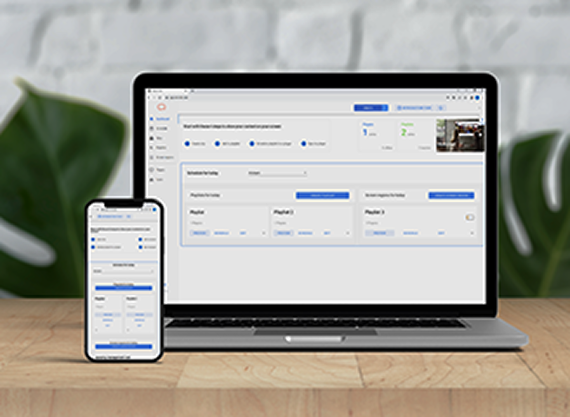
Legacy on-premise systems required staff to physically visit each display or navigate complex local network configurations to push content updates. A cloud-based digital signage platform changes this entirely by making all operations accessible directly through a web browser. With remote screen management, operators can update media playlists, trigger instant promotions, or publish urgent announcements across an entire global screen network in seconds.
This level of agility accelerates marketing rollout times dramatically. Printing delays, shipping costs, and manual setup errors vanish, allowing marketing teams to react instantaneously to market shifts. Because the architecture scales seamlessly in the cloud, onboarding new displays takes only minutes. Cloud deployment is undeniably the most efficient path forward for organizations seeking responsive business communication.
Key Benefits and Real-World Use Cases
Adopting a SaaS signage model offers advantages that extend far beyond remote management. Cloud platforms deliver enterprise-grade security, central administrative control, instant scalability, and smooth cross-team collaboration. Automatic software updates ensure screens always run the latest features and security protocols, significantly reducing the workload on internal IT departments.
These technological advantages yield tangible benefits across various industries:
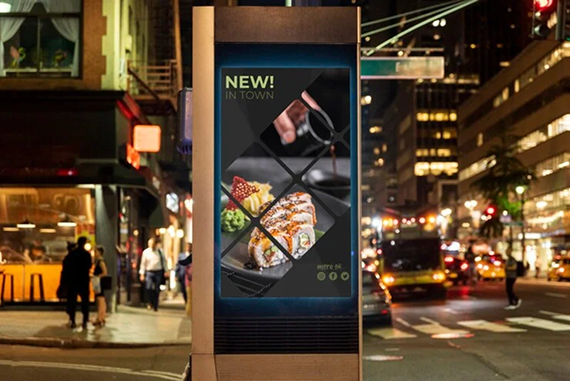
Retail and Quick Service Restaurants (QSR): Cloud platforms power digital menu boards that update automatically based on time of day, weather, or inventory levels. Breakfast menus seamlessly transition to lunch offerings, out-of-stock items are hidden instantly, and limited-time promotions launch with a single click, boosting sales and customer satisfaction.
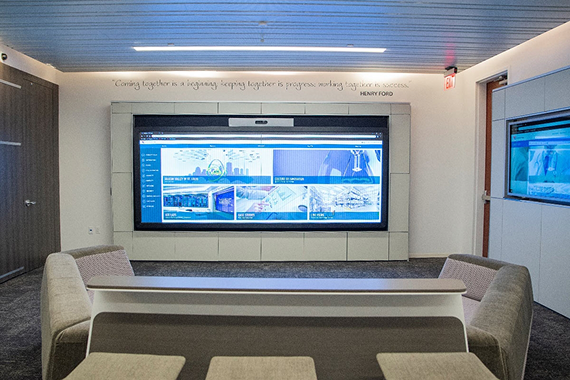
Corporate Communications: Centralized control helps multi-site businesses foster a unified company culture. Lobbies, breakrooms, and office spaces display real-time performance metrics, internal announcements, employee milestones, and welcome messages, increasing transparency and workplace engagement.
Healthcare and Hospitality: Dynamic screens streamline wayfinding, show live wait times in waiting rooms, and present real-time event schedules in hotel lobbies. Clear communication reduces stress, lowers perceived wait times, and improves the overall guest experience.
Implementation Tips and Best Practices
Deploying a cloud-based screen network successfully requires careful planning and strategic execution. Establishing a thorough content planning workflow early on is vital. Because viewers often have only a few seconds to absorb information on a screen, visual assets must feature concise messaging, high-contrast imagery, and clear calls to action.
Proper role-based access control is another core best practice for maintaining operational efficiency. While central marketing teams retain control over global brand identity, master templates, and scheduled campaigns, local site managers can be granted permissions to post location-specific updates. This split ensures brand integrity while preserving local agility.
Reliable offline playback capability is another crucial requirement when selecting software. Premium cloud systems cache media content locally on the media player, ensuring playback continues without interruption even if the network connection drops. Once reconnected, the software automatically syncs performance logs and status updates with the central server.
Measuring Success and Optimizing Results
Maximizing return on investment requires regular tracking and ongoing performance optimization. Monitoring specific digital signage metrics gives clear insight into audience engagement and financial impact, enabling precise ROI measurement.
Key indicators include QR code scan rates on displays, sales lift for featured items during campaign windows, and cost savings achieved by eliminating print materials. Furthermore, measuring the reduced deployment time for global marketing campaigns highlights significant operational productivity gains.
Continuous optimization relies on reviewing analytics, conducting A/B testing on visual layouts, and refining playback schedules based on foot-traffic patterns. Treating digital screen networks as dynamic,
Conclusion
Transitioning to cloud-based digital signage software is no longer just a technological upgrade; it is a strategic business decision that directly impacts operational agility, brand consistency, and customer engagement. By removing the constraints of physical infrastructure and manual content distribution, cloud platforms allow organizations to deploy dynamic visual content at scale with unprecedented speed and efficiency.
As digital touchpoints continue to redefine physical environments, investing in a robust, scalable cloud signage solution ensures your business remains responsive, secure, and ready to meet evolving market demands. Whether your goal is to boost sales, improve internal workplace communication, or enhance guest experiences, the cloud provides the control and flexibility needed to turn every display into a high-value communication asset.

Frequently Asked Questions
Cloud-based digital signage software is a Software-as-a-Service (SaaS) solution that allows users to manage, schedule, and publish multimedia content to remote digital displays over the internet using a central web dashboard, eliminating the need for local on-premise servers.
On-premise digital signage relies on local servers, manual updates via USB drives or local networks, and high upfront hardware costs. Cloud digital signage operates via the internet, offering instant remote content deployment, automatic software updates, seamless scalability, and lower upfront capital expenses
Yes. Modern SaaS signage platforms store media content locally in the player’s cache memory. If the internet connection is interrupted, the media player continues playing the scheduled content smoothly and will automatically sync with the cloud server once the connection is restored
Yes. Top-tier cloud digital signage software utilizes enterprise-grade security features, including SSL/TLS encryption, secure API integrations, multi-factor authentication, and role-based access controls to prevent unauthorized access and protect corporate data.
You can measure digital signage ROI by tracking metrics such as sales growth on featured products, QR code scan rates on displays, reduced print production costs, faster campaign deployment times, and increased employee or customer engagement levels.