Video Wall Systems have become the cornerstone of modern visual communication, transforming how information is displayed in control rooms, corporate environments, public spaces, and digital signage networks. As these solutions evolve, their design elegance and technological sophistication continue to reach new heights. Understanding the relationship between aesthetics, display technologies, and supporting infrastructure is essential for architects, AV integrators, technology designers, and anyone invested in the future of digital displays. This article explores the design principles, technological advancements, and system architecture behind Video Wall Systems to reveal how they achieve a seamless fusion of beauty and performance.
Sleek Displays: The Aesthetics of Video Wall Design
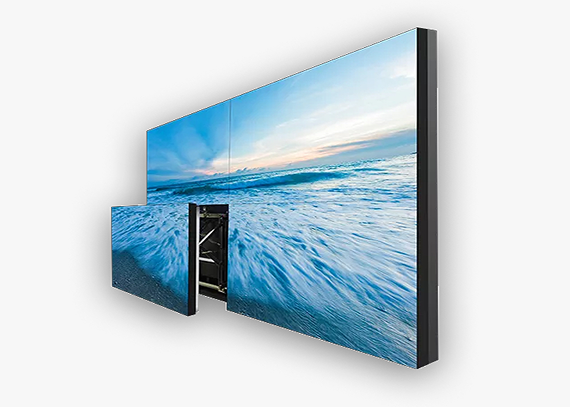
One of the most defining characteristics of modern Video Wall Systems is their emphasis on aesthetic appeal. Sleek and streamlined, these displays are designed to blend harmoniously into a variety of environments—from high-end corporate lobbies to mission-critical control centers and immersive retail spaces. Modern design trends favor thin bezels, minimalist framing, and modular configurations that allow designers to build visually striking installations with ease.
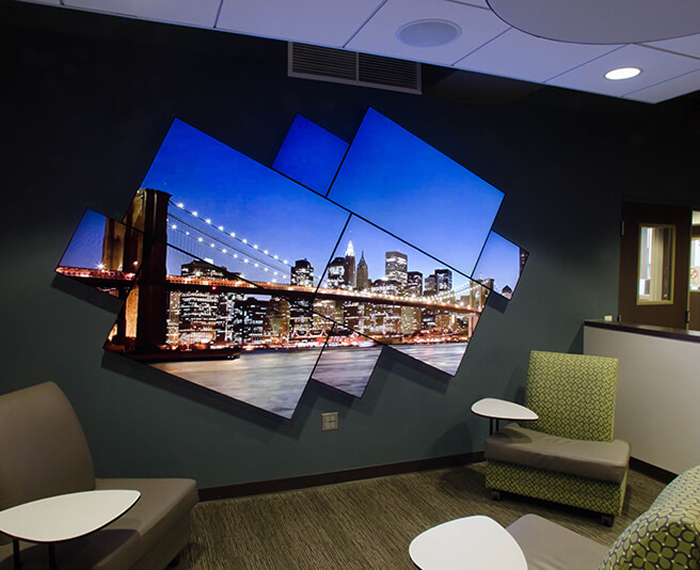
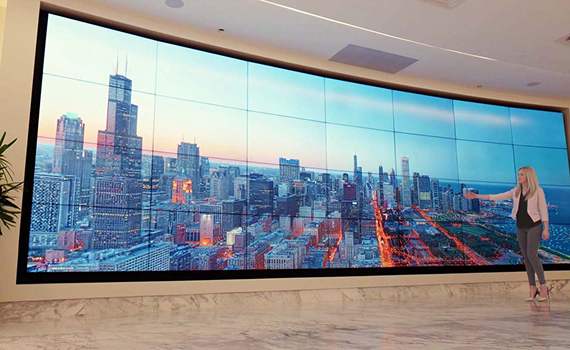
Seamless integration is a top priority for architects and AV specialists. Whether installed flush against the wall or mounted as part of an architectural feature, Video Wall Systems offer customization options that align with each space’s unique layout. Flexible display configurations—such as 4×4 grids, artistic mosaics, or ultra-wide panoramic layouts—give designers the freedom to create visual compositions that support both functionality and brand identity.
Aesthetic appeal goes beyond physical design; it includes the quality and clarity of the content displayed. High-resolution visuals, vibrant colors, and fluid motion ensure that the video wall becomes not only a functional component but also a design centerpiece that transforms the atmosphere of any space.
Behind the Pixels: Technology Advancements in Video Wall Displays
At the core of every high-performance video wall lies cutting-edge display technology. Rapid advancements in LED and LCD panels have made Video Wall Systems more efficient, more vibrant, and more versatile than ever before
High-resolution options—from Full HD to 4K, 8K, and beyond—allow organizations to display detailed charts, complex dashboards, and immersive multimedia. Pixel pitch advancements in LED displays have significantly enhanced clarity, enabling crisp visuals even at close viewing distances.
Choosing between LED vs. LCD technology depends heavily on the use case. LED displays offer superior brightness, color accuracy, and outdoor performance, making them ideal for digital signage and large public installations. LCD video walls, on the other hand, provide excellent uniformity and cost-effective solutions for indoor environments such as control rooms and conference centers.
HDR capabilities have become a game changer, delivering enhanced contrast and lifelike visuals that elevate the viewer experience. Combined with high refresh rates, Video Wall Systems can present fast-moving content—such as live feeds, surveillance footage, or dynamic animations—without ghosting or motion blur. With modern display technologies continuing to evolve, the performance gap between video wall options narrows, offering users unprecedented flexibility and visual impact.
Behind the Scenes: Video Wall System Infrastructure
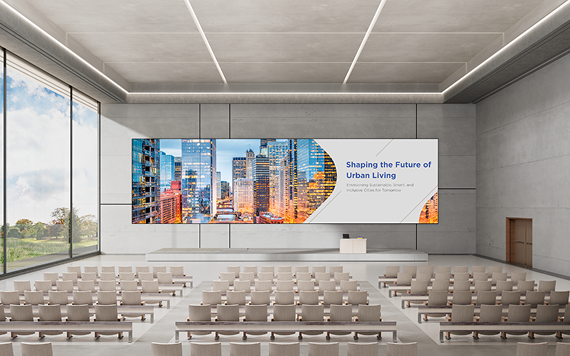
While the displays draw the most attention, the real magic of Video Wall Systems happens behind the scenes. Robust system infrastructure is what ensures seamless content delivery, operational reliability, and long-term scalability.
Video processors play a crucial role by managing the distribution and rendering of visual content. These processors break content into segments, synchronize playback across all screens, and allow operators to switch between layouts effortlessly. Whether displaying a single unified image or multiple data sources, video processors ensure accuracy and balance.
Signal distribution is another key component. High-bandwidth cables, fiber-optic systems, and network-based AV-over-IP solutions facilitate real-time content delivery across long distances without latency or signal degradation. As workplaces rely more heavily on distributed data and remote operations, strong signal infrastructure is essential.
Content management systems (CMS) provide the backbone of digital signage networks, giving users the ability to schedule, update, and automate content. Modern CMS platforms are cloud-based, offering better remote access, flexibility, and real-time monitoring.
Network integration ties everything together, enabling centralized control and smoother operation. Scalability is a significant advantage of well-designed Video Wall Systems—new displays, processors, or input sources can be added as organizational needs evolve. Hardware reliability is equally essential, as mission-critical environments such as control rooms require systems capable of 24/7 performance.
The Interplay of Design and Technology
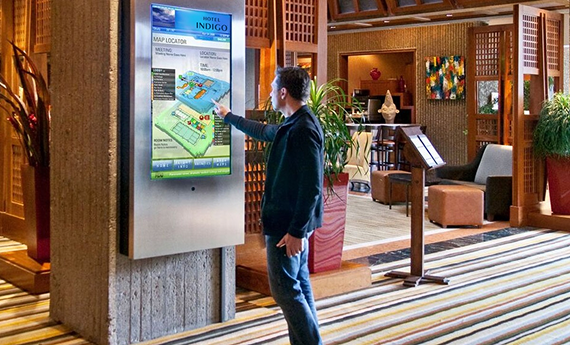
Video Wall Systems achieve their full potential when design and technology work together harmoniously. The sleek aesthetics of modern displays complement the technological power behind them, resulting in installations that are both visually stunning and operationally robust. Whether used for brand storytelling, operational monitoring, or immersive experiences, these systems embody the perfect balance between form and function.
The combination of elegant design, advanced display capabilities, and strong infrastructure positions Video Wall Systems as an essential solution for organizations seeking to elevate communication, engagement, and performance across environments.
Conclusion
As Video Wall Systems continue to evolve, their impact on design and technology grows stronger. Architects, AV integrators, and technology professionals can leverage these systems to create sophisticated visual environments that blend aesthetics with state-of-the-art performance. With their sleek designs, advanced display technologies, and reliable infrastructure, video walls stand at the forefront of the future of digital visualization.