Digital Signage for Restaurants has evolved from a simple menu replacement into a powerful communication ecosystem that shapes how guests perceive your brand, interact with your offerings, and ultimately decide what to order. In an industry where atmosphere, speed, and experience are just as important as flavor, digital displays powered by advanced digital signage software enable restaurants to create immersive environments, strengthen digital signage branding, and drive measurable improvements in customer engagement and operational performance.
Today’s diners expect seamless, visually engaging, and tech-enabled experiences. Static menus and printed posters struggle to keep pace with dynamic pricing, limited-time promotions, seasonal campaigns, and evolving consumer preferences. This is where digital signage for restaurants becomes a strategic asset rather than just a visual upgrade.
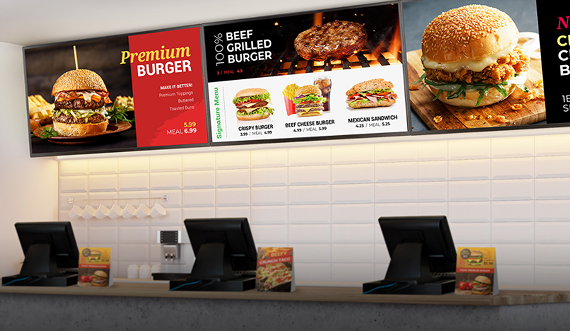
Why Digital Signage for Restaurants Matters
Beyond aesthetics, digital signage software helps align marketing and operations. Morning menus can automatically switch to lunch promotions, happy hour visuals can appear at predefined times, and branding elements remain consistent across every screen. This integration of marketing agility and operational control directly impacts revenue and customer satisfaction.
Visual Feast: Crafting Irresistible Ambiance with Digital Displays
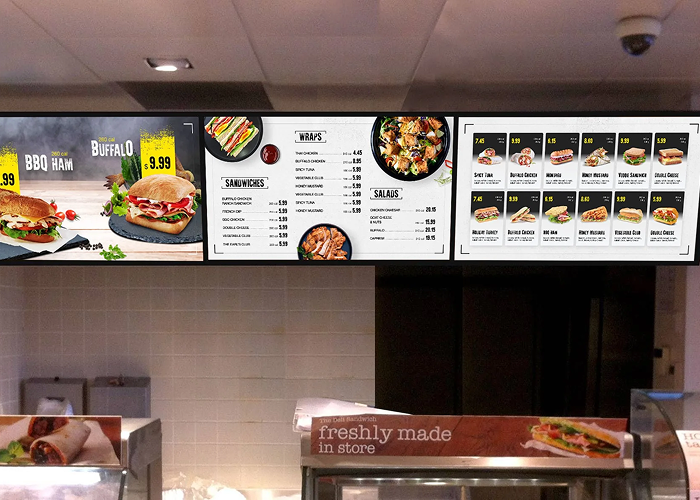
Atmosphere influences appetite more than most restaurant owners realize. Digital displays bring food to life through high-resolution imagery, motion graphics, and subtle animation that stimulate visual hunger and elevate perceived value. When customers see dishes presented in vivid detail, they are more likely to explore add-ons, upgrades, or premium selections.
Digital signage branding also plays a crucial role in shaping ambiance. A modern burger chain might emphasize bold typography and energetic visuals, while a fine-dining establishment may use elegant transitions, wine pairings, and chef storytelling to reinforce sophistication. Instead of static decoration, screens become storytelling tools that reflect your culinary identity and brand personality.
Strategically placed displays at entrances, ordering counters, or waiting areas create a cohesive sensory journey that enhances the overall dining experience without overwhelming the space.
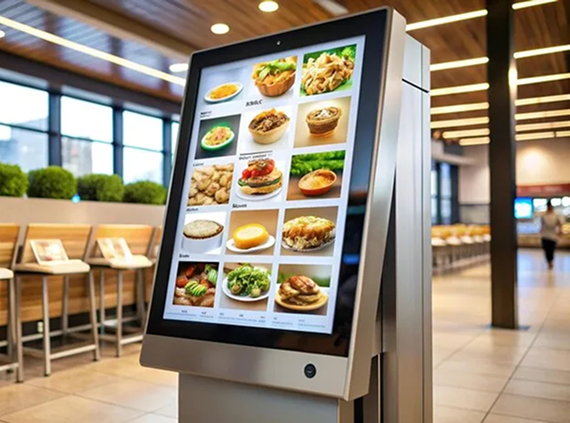
Beyond the Plate: Entertaining Customers with Interactive Content
Customer engagement extends far beyond placing an order. Interactive digital signage for restaurants transforms idle waiting time into meaningful brand interaction. Guests can browse ingredients, review nutritional information, explore customization options, or discover pairing recommendations in a visually intuitive way.
This level of interactivity not only improves transparency but also builds trust. When customers feel informed and in control, they are more confident in their purchasing decisions. Additionally, real-time promotional campaigns—such as limited-time discounts or loyalty rewards—can be launched instantly through digital signage software, allowing restaurants to respond quickly to demand fluctuations or slow hours.
By combining entertainment content with strategic promotions, restaurants create digital experiences that feel engaging rather than intrusive, subtly guiding customers toward higher-value choices.
Efficiency Unleashed: Streamlining Operations Through Digital Signage
While front-of-house displays attract attention, back-of-house applications of digital signage are equally transformative. Order management displays in kitchens replace paper tickets with real-time digital workflows, minimizing errors and accelerating preparation times. Clear, centralized information improves coordination between teams and reduces miscommunication during peak hours.
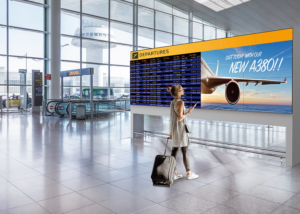
Queue management screens help manage customer expectations by displaying estimated wait times or order statuses, which reduces perceived delays and enhances satisfaction. At the same time, staff-facing displays can share training materials, shift updates, or performance metrics, creating a more informed and aligned workforce.
When digital signage for restaurants is integrated with POS systems and scheduling tools, the result is a streamlined ecosystem where marketing, operations, and service quality work in harmony.
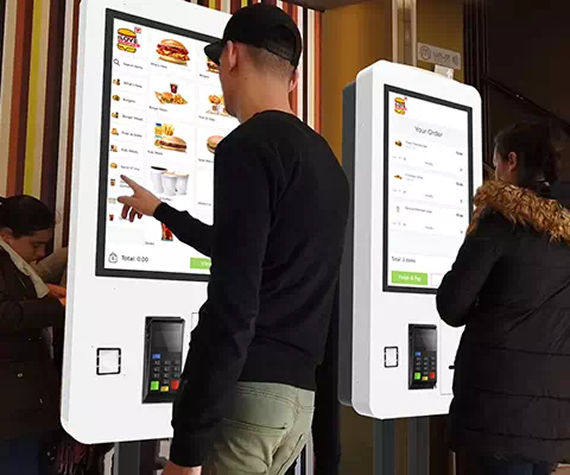
Strengthening Digital Signage Branding Across Locations
Brand consistency becomes increasingly challenging as restaurants scale. Cloud-based digital signage software allows centralized control over visuals, messaging, typography, and promotional templates, ensuring that every branch reflects the same brand identity.
This centralized structure empowers marketing teams to launch campaigns across multiple locations instantly while still allowing localized adjustments when needed. The outcome is a strong, recognizable brand presence that builds customer familiarity and loyalty over time.
Driving Revenue Through Strategic Visual Communication
Digital signage for restaurants directly impacts purchasing behavior by placing the right content in front of customers at the right moment. Dynamic upselling suggestions, visually highlighted combo offers, and limited-time promotions with subtle urgency cues can increase average order value without requiring additional staff intervention.
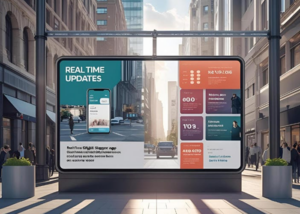
Because content can be updated in real time, restaurants gain the flexibility to test different visuals, pricing strategies, and promotional messages, then refine their approach based on performance data. This adaptability turns digital signage into a measurable revenue-driving tool rather than a static display system.
Conclusion
Digital signage for restaurants represents a convergence of technology, branding, and hospitality strategy. It enhances ambiance, deepens customer engagement, improves operational efficiency, and strengthens brand consistency in ways traditional signage simply cannot achieve.
For restaurant owners, managers, chefs, and marketing professionals seeking to elevate the dining experience while optimizing performance, investing in digital signage is not merely a design decision—it is a strategic move toward smarter, more dynamic hospitality.